My doctors do a lot for me. And then I go home and keep reading.
My name is Doug. I'm 67, and health has always interested me. Not in a clinical way (I'm not a practitioner of anything), but the way a curious person gets interested in something that matters to them personally and just keeps reading.
My doctors are excellent. I trust them completely and follow their guidance. What this site is about is the reading I find myself doing after I leave the office: the emerging research, the traditional approaches, the mind-body territory that sits just outside the edges of standard protocols. Not because that territory is better than conventional medicine. Because it's additive, and I find it genuinely interesting.
Health Insights HQ is where that reading goes. I follow the research carefully, I think hard about what it means, and when I find something presented well (a program, a guide, a structured approach) I make sure to share it. My job on this site is to read widely, think clearly, and point you toward the good stuff honestly.
I have genuine skin in the game. Arthritis runs in my family. So does high blood pressure. I'm at the age where prevention is no longer abstract. The topics I cover are the ones I'm paying attention to anyway, so I might as well write them up and share them.
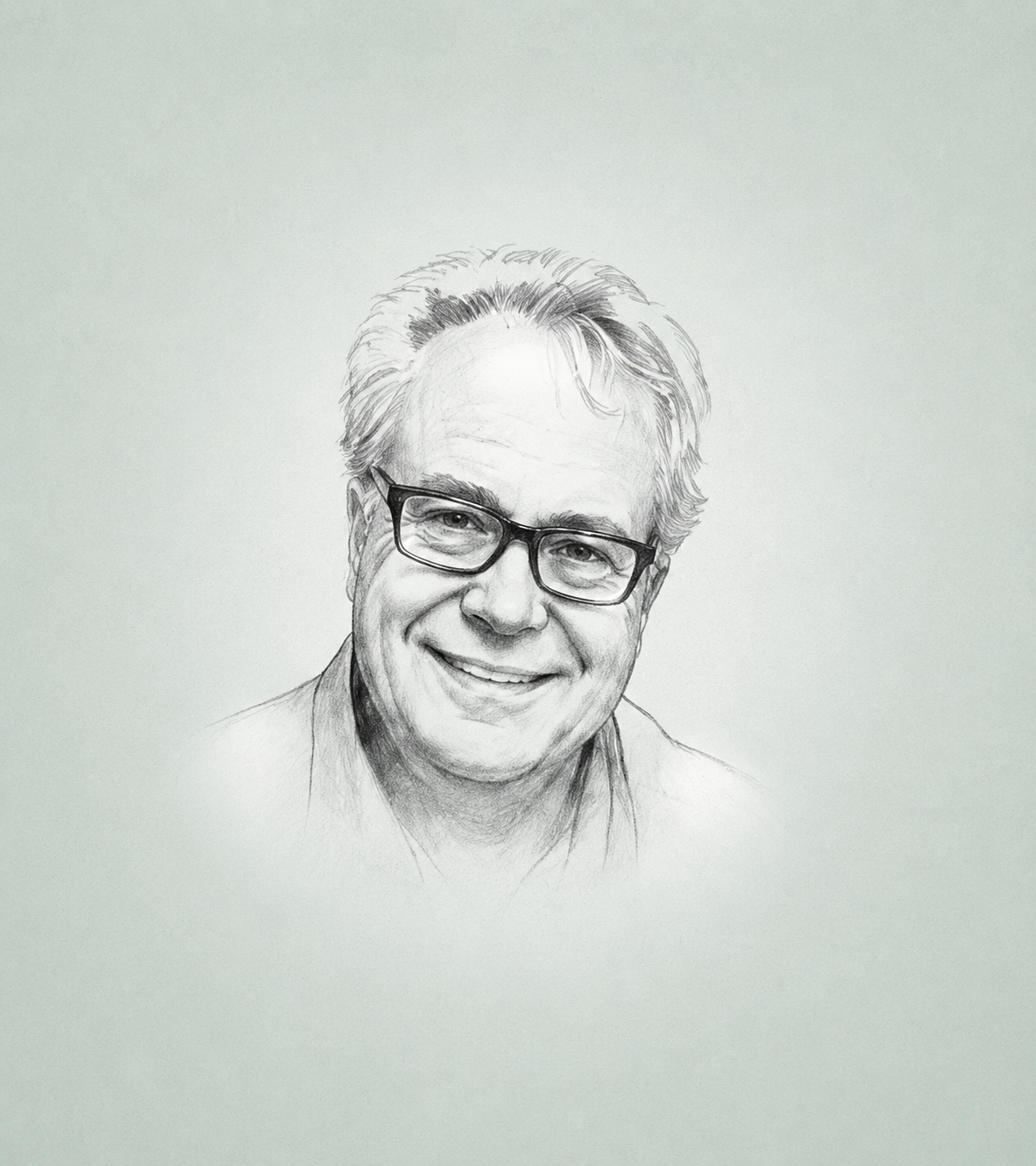
Doug, Health Insights HQ
"My doctors do a lot for me. And then I go home and keep reading." That's the emotional core of this site. Not a corrective to conventional medicine. A complement to it.
What I write about, and why
The territory Health Insights HQ covers sits in a specific space: emerging research that hasn't made it into standard protocols yet, traditional approaches that complement conventional treatment, and lifestyle and mind-body findings that don't always fit neatly into a clinical visit. Some of what I explore is well-established. Some of it is newer. I try to be clear about the difference.
This isn't fringe territory. Most of what I point to is grounded in published research. It just takes time to travel from the research literature into routine practice (sometimes years, sometimes longer). I find I'm not inclined to wait.
I use careful language throughout because health content requires it: "research suggests" rather than "research proves," "appears to" rather than "is." That hedging isn't weakness. It's accuracy.
When I recommend something
Some articles on this site contain links to programs or guides from publishers I've looked into carefully. When I find a topic well-covered by an existing resource, something that goes deeper than an article can or lays out a structured approach I think is genuinely worth following, I include a link so readers can benefit from it directly.
Where I have an affiliate relationship with a publisher, I say so clearly. Every time, on every page that contains one. The disclosure is in the recommendation itself, in the footer, and on this page. It never influences what I write about or how I write about it. The topic comes first. The resource, if there's a good one, comes after.
What this site is not
- A corrective to conventional medicine. I'm not telling you your doctor is wrong.
- A supplement hawking operation. Supplements may be mentioned when evidence warrants, but I'll never construct elaborate justifications for proprietary formulations or special sourcing.
- A content farm. Every article earns its place with real research and genuine writing.
- Alarmist. No "doctors don't want you to know" framing. Ever.
- A daily presence in your inbox. If you sign up for updates, I'll write when I have something worth saying.
The standard I hold myself to
I don't write about things I haven't read carefully. Each article follows the same arc: the conventional explanation acknowledged first, then the mechanism or finding that conventional treatment tends not to cover, then the practical context for what it might mean. I try to represent the research honestly and flag where evidence is strong versus emerging.
Articles are living documents. When significant new research appears on a topic I've covered, I update the article and note what changed. Health content that doesn't get updated goes stale, and stale health content can mislead people. I take that seriously.
I'm not a doctor, a nutritionist, or a researcher. The medical disclaimer on every page means what it says: nothing here is medical advice. Talk to your doctor, especially before changing medications or supplements. I mean that genuinely, not as a legal formality.
Get notified when something's worth your attention
I monitor new research on multiple health topics. I'll write when I find something significant, not on a schedule, just when it warrants it.
Subscribe Free → (Opens in a new tab)No spam. No daily emails. Unsubscribe any time.